
OEM, ODM & private label
manufacturing.
Three cooperation routes cover the full project lifecycle: ODM development for new concepts, OEM manufacturing against an agreed specification and private-label production for customer-owned brands.
Different routes.
One cereal focus.
OEM, ODM and Private Label are the three core ways to structure a cereal manufacturing project.The right route depends on whether you are starting with a product idea, an approved recipe or a retail range requirement.
ODM starts with a concept or development brief and progresses through formulation, sample review and specification agreement. OEM starts with an existing recipe or product specification and focuses on manufacturing to the agreed requirements. Private Label coordinates product, packaging and production for a customer-owned brand, using an ODM or OEM route as appropriate.
For every route, product feasibility, ingredient and packaging responsibilities, quality requirements and commercial terms are agreed before production.
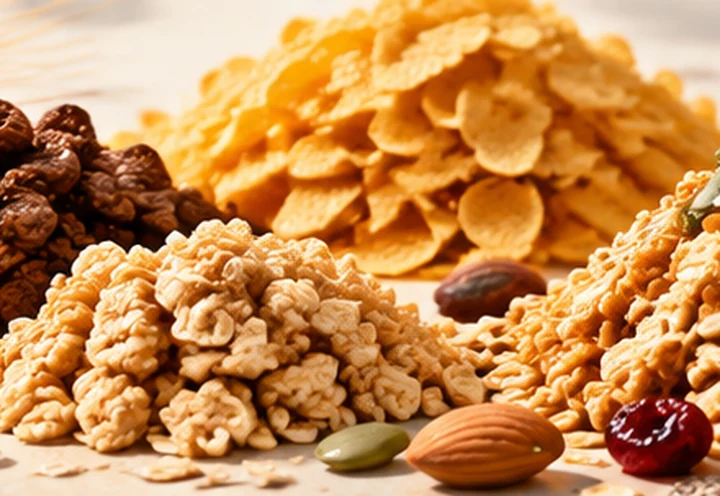
Your idea.
Developed together.
ODM development can cover recipe formulation, ingredient sourcing, flavour, sweetness direction, ingredient proportions, product shape, cluster structure, crunch, preparation style and packaging. Samples are reviewed before the commercial specification is approved.
- Concept and recipe direction
- Ingredient, flavour and texture options
- Sample review and specification agreement
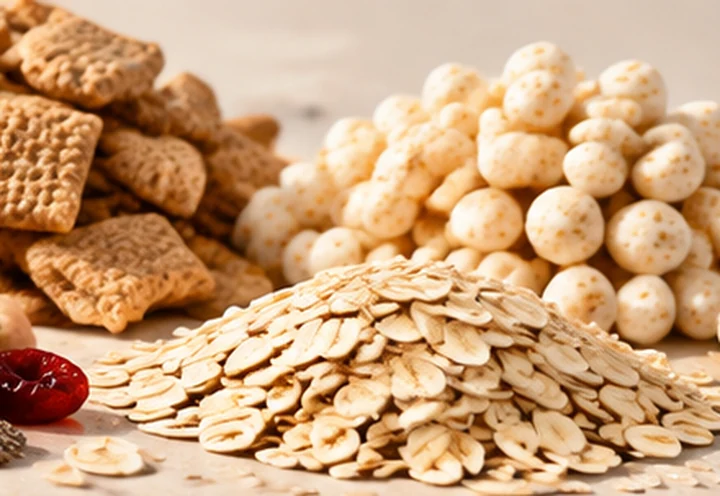
Your specification.
Our manufacturing.
OEM projects begin with a customer recipe, reference sample or detailed product specification. The proposed process route, ingredient requirements, quality criteria, packaging and production plan are assessed against that brief.
- Specification-led technical assessment
- Production and quality planning
- Packaging and fulfilment coordination
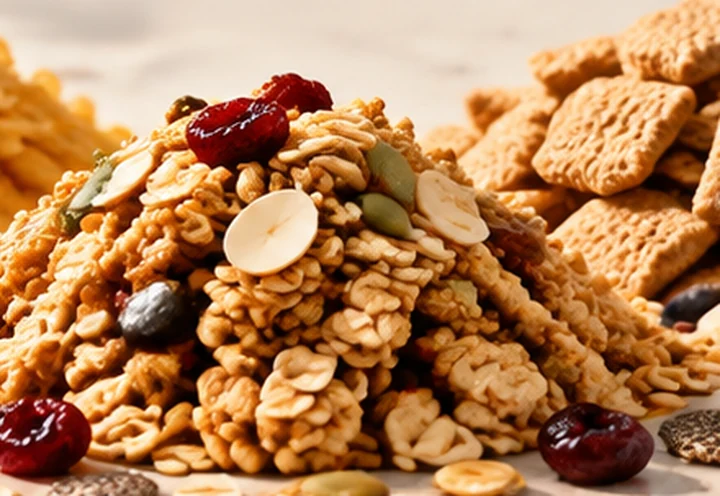
Your name.
Our production support.
Private-label programmes coordinate cereal category selection, formulation or specification, customer artwork, packaging materials and finished-product manufacturing for a customer-owned brand.
- Product range and format selection
- Own-label packaging coordination
- Supply and specification planning

Ingredient and packaging
coordination.
The manufacturing brief can include ingredient sourcing, blending, packaging-material coordination and finished-product packing. Customers may supply their own custom packaging materials, or packaging materials can be sourced and printing coordinated as part of the agreed project.
- Ingredient sourcing and specification review
- Customer-supplied or sourced packaging materials
- Blending, print coordination and finished-product packing
Find the most suitable starting point.
Need something new developed?
Share the intended product idea, target sensory experience, recipe or packaging direction.
Already have a product specification?
Provide the ingredient declaration, processing requirements, packaging details and quality constraints for feasibility review.
Building your own-label range?
Discuss category selection, pack formats, label design and whether OEM or ODM best fits the brief.
Compare OEM, ODM and private label at a glance.
| Route | Brand owner | Starting point | Project support | Best fit |
|---|---|---|---|---|
| ODM | Customer | Product idea or development brief | Collaborate on recipe direction, ingredients, form, texture and specification | Brands developing a new cereal product |
| OEM | Customer | Agreed product or specification | Assess and manufacture against an agreed brief and quality plan | Customers with a defined product |
| Private label | Retailer / customer | Own-label range brief | Coordinate product, packaging and manufacturing; route may be ODM or OEM | Retailers and brand owners building their own range |
The comparison identifies the usual starting point. The final scope, responsibilities, product specification and commercial terms are agreed for each project.
Which route fits your project?
Choose the statement that best describes your starting point. The project route is confirmed after technical and commercial review.
Develop a product from your brief.
Share the product idea, destination market, ingredient direction, flavour, shape and texture goals. The next step is to review development scope and technical feasibility.
Discuss ODM ↗Clear routes. Clear expectations.
Is private label the same as OEM?
Not exactly. Private label describes a customer-owned brand programme. It may use an ODM development route, an OEM manufacturing route, or a combination agreed for the project.
When should I choose ODM rather than OEM?
Choose ODM when you need support developing the formulation, flavour, shape or texture. Choose OEM when you already have a recipe or specification and need a manufacturing partner. A project may move from ODM development into OEM production.
Can a project combine development and manufacturing?
Yes. A customer may begin with product development and continue into manufacturing after the product specification, process feasibility, packaging and commercial conditions have been reviewed and agreed.
What should I prepare before contacting CerealConnect?
Share the destination market, product category, target flavour and texture, any existing recipe or reference sample, preferred packaging format and estimated order volume if available.
Tell us the project. We’ll discuss the route.
Tell us what you have in mind — product, market and packaging needs. We can review the next steps together.