
01 / EXTRUSION
Extrusion & shaping
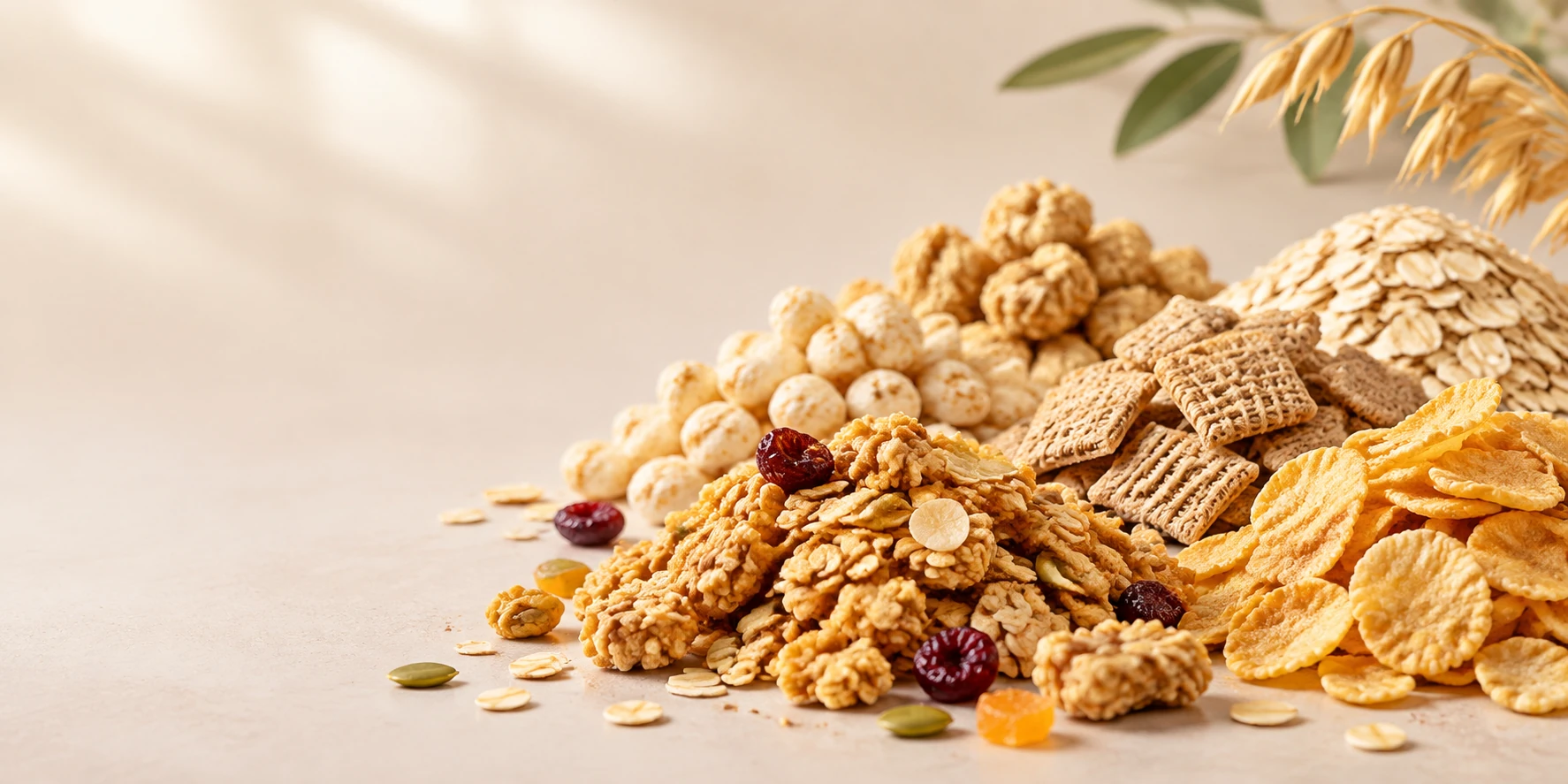
Bühler twin-screw extrusion technology supports expanded and shaped cereal formats. Grain composition, formulation and die design influence piece shape, density and texture.
Discuss the specification ↗Explore the processing routes, equipment and packaging capabilities used to develop and manufacture breakfast cereals and grain-based foods.
Manufacturing capabilities span twin-screw extrusion, corn-flake production, low-temperature baking, puffed-cereal processing and automated grain-processing and packaging lines. The process route is selected according to the product format, formulation, texture target and approved specification.
Selected equipment includes Bühler twin-screw extrusion and corn-flake production systems, supported by additional cereal-processing and packaging lines. Line suitability and operating parameters are reviewed against each product brief.
Process selection is product-specific: grain composition, moisture, forming method, bake profile, target texture and packaging all influence the final production route.
The production route links ingredient preparation, forming or flaking, baking or expansion, product handling and finished-product packing.
Bühler twin-screw extrusion technology supports expanded and shaped cereal formats. Grain composition, formulation and die design influence piece shape, density and texture.
Discuss the specification ↗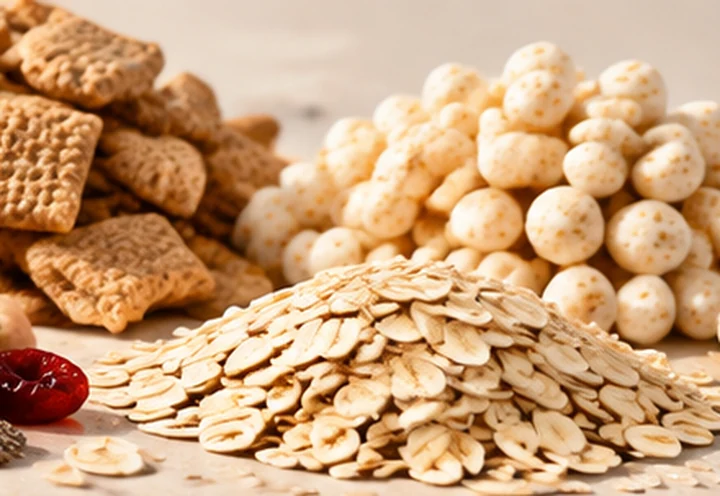
Corn flakes follow a non-fried, baked processing route. The processing sequence and operating parameters are set to achieve the agreed flake appearance, crispness and product specification.
Discuss corn flakes ↗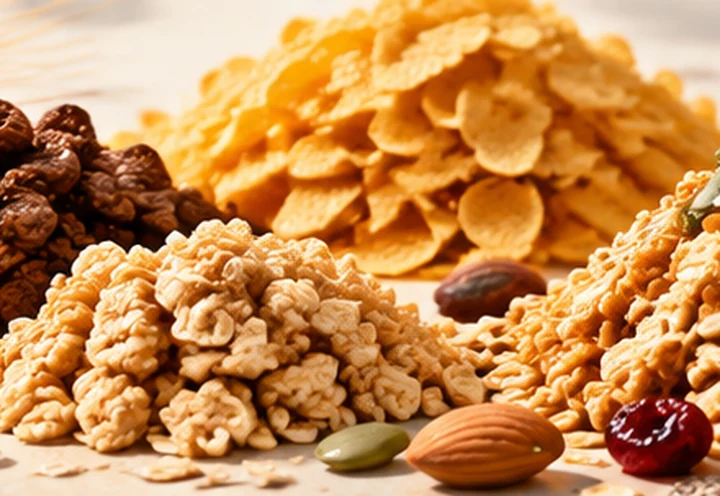
Low-temperature baking supports granola and oat-cluster formats. Recipe composition, binder system, cluster size and bake profile influence cohesion, colour and crunch.
Discuss baked cereals ↗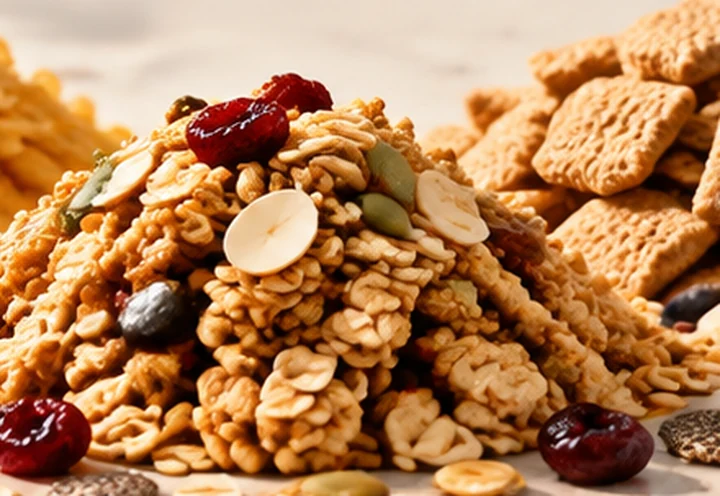
Automated cereal and grain-processing lines support ingredient handling, processing, blending and packaging workflows. The selected line configuration depends on the product and order specification.
Discuss manufacturing ↗Product development translates the market brief into a workable formulation and production specification, covering ingredients, flavour, sweetness, shape, cluster structure, crunch, preparation method and packaging.
Packaging can be supplied by the customer or sourced and coordinated as part of the project, including printing and finished-product packing. Reference bulk formats are 20 kg bags for granola and 15 kg bags for oat clusters. Retail pouches, resealable formats and other pack styles are assessed against the product, packing requirements and destination market.
Confirm product family, market, intended pack, target sensory properties and any specific quality or regulatory constraints.
Evaluate available recipes, trials, manufacturing route, feasibility and the information needed for a quotation.
Agree on sample requirements, test priorities, ingredients, pack format and commercial specification.
Confirm the approved specification, packaging, quality arrangements and production schedule before manufacturing.
A project moves through defined technical and commercial checkpoints so the approved product, process, packaging and supply requirements are aligned before production.
| Stage | Buyer prepares | CerealConnect reviews | Gate before proceeding |
|---|---|---|---|
| 01 / Initial brief | Destination market, product family, intended channel, reference sample or concept | Project objective, key product questions and missing information | A shared brief with the main requirements identified |
| 02 / Feasibility | Recipe or specification where available, target ingredients, texture and pack direction | Potential process route, ingredient considerations and feasibility questions | Technical scope and next evaluation steps agreed |
| 03 / Sample & specification | Sample feedback, target sensory profile, label and market requirements | Product adjustments, specification details and required testing to be discussed | Product and sample criteria reviewed and recorded |
| 04 / Quality & commercial | Required certificates, documentation, target quantity and packaging brief | Applicable certificate scope, document requirements and commercial proposal inputs | Product, quality and commercial requirements agreed by both parties |
| 05 / Production readiness | Approved artwork, final specification, purchase and shipment requirements | Agreed production schedule, packaging and release arrangements | Final order details and production plan confirmed before manufacture |
Each product family requires a process route matched to its ingredient system, physical form, texture target and finished-pack requirements.
| Product group | Process considerations | Project review focus |
|---|---|---|
| Granola & Oat Crunch | Ingredient blending, forming or clustering, baking, cooling and packing | Cluster structure, inclusions, texture, recipe and pack protection |
| Corn Flakes | Grain preparation, extrusion or cooking, flaking, baking or toasting, cooling and packing | Flake appearance, texture, recipe and pack format |
| Whole-Wheat Crisps & Puffed Cereals | Ingredient preparation, extrusion or forming, drying or finishing and packing | Piece shape, grain composition, crispness and product consistency |
| Oatmeal & Mixed Grain Cereals | Grain preparation, grading or blending, product-specific processing and packing | Grain selection, preparation method, blend and pack format |
| Instant Grain Products | Grain and ingredient preparation, product-specific processing, blending and packing | Preparation instructions, serving format and destination-market requirements |
Before order confirmation, the proposed manufacturing scope is reviewed against the product specification, processing route, packaging format, quality requirements and destination-market documentation.
Equipment, production scope and supporting quality documents are confirmed during technical review and supplier qualification.
Request manufacturing information ↗Tell us what you have in mind — product, market and packaging needs. We can review the next steps together.